Where to Buy CVD Players and Discs
Current market reality
China Video Disc (CVD) hardware and discs from the 1998 launch window are not a clean marketplace category today. Searches on eBay, Kongfz (孔夫子旧书网), JD, Suning and ZOL have not turned up a listing that specifically advertises a 1998 CVD player or a disc marked “CVD.” What exists instead is a surrounding ecosystem: multi-format DVD players that claim Super VCD support, second-hand VCD film stock that may hide period 超级VCD discs, modern Chinese DVD/EVD decks that still print 超级VCD on the feature list, and spare C-Cube decoder chips for repair. Buying for CVD research therefore means hunting adjacent stock and testing it-not ordering a labelled “CVD starter kit.”
What is actually for sale
Multi-format DVD players (Western second-hand)
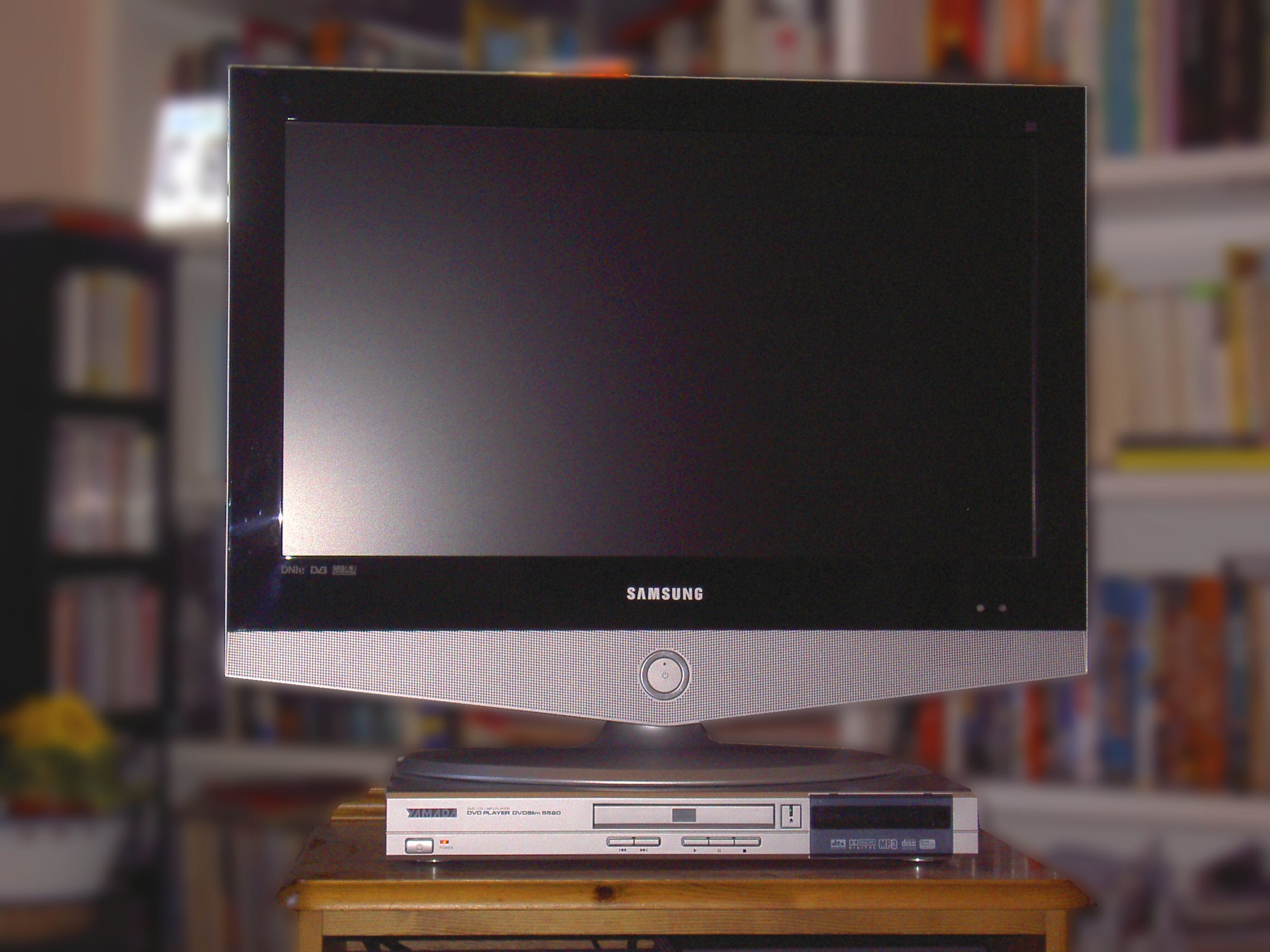
Generic DVD players marketed as “DVD / Super VCD / VCD / CD” are the common Western find, especially JVC XV-N series units. Recent listing examples include an XV-N510B around US$7.56, an XV-N33 around €17.97, and an XV-N212 around £18.99. Prices in the US$8-25 band are typical for that class of deck. These machines play Philips SVCD; CVD support is not stated on the carton language and must be tested before anyone buys in quantity. Treat “Super VCD compatible” as a necessary filter, not as proof of China Video Disc playback. Community compatibility claims for CVD on Western DVD players disagree sharply elsewhere in this series; a cheap XV-N is a test mule, not a guarantee.
Hong Kong VCD/DVD stock on eBay
eBay still carries Hong Kong VCD and DVD stock associated with distributors such as Mei Ah and Universe Laser. That stock occasionally includes Super VCD titles. It remains a useful search channel for period Asian optical media, but Mei Ah or Universe branding alone does not confirm CVD encoding. Discs must be inspected for markings, measured for video width, and tested across players. Russil Wvong’s Video CD FAQ already treated Hong Kong distributors as the Western hobbyist’s VCD pipeline in the late 1990s; the same pipeline is where Super VCD titles are most likely to hide today.
Kongfz out-of-print VCD film shops
Kongfz second-hand shops with large “VCD 电影 绝版” (out-of-print VCD film) categories are currently the most promising Chinese-language place to look for period 超级VCD discs. One documented shop lists 908 VCD film items in that category. Sellers may not distinguish CVD from Super VCD in the title field; photographs of the disc face, tray card and any 版号 string matter more than the shop’s search keyword. Ask whether the disc was a player giveaway (随机赠送) from 1998-1999-contemporary press described free bundled titles as a CVD marketing tactic-and image immediately after purchase.
Current Chinese DVD/EVD players
JD and Suning still list DVD/EVD-class players from Jinzheng, SAST, Malata and Amoi in roughly the ¥89-200 range. Feature lists typically include 超级VCD playback. CVD support is again not stated. These decks are candidates for modern SVCD testing and for everyday playback of ripped or re-authored discs; they are not substitutes for documented 1998 CVD launch hardware without chip and mechanism verification. Brand continuity (Jinzheng, SAST, Malata, Amoi) is historically suggestive but not evidence that a 2020s chassis still uses C-Cube CVD-era silicon.
C-Cube repair parts
Decoder chips for repair remain available from Taiwanese and Hong Kong component sellers. Examples include CL480T around US$9 on eBay and CL680-T128 stocked under US$1 in quantity on datasheet.hk listings. Chip availability does not recreate a 1998 player, but it does keep dead boards potentially recoverable and gives collectors a concrete parts vocabulary (CL480, CL484, CL680 and related C-Cube markings) when asking sellers what sits under the heat sink. Note that the discrete C-Cube CVD / Chaoji decoder part numbers and datasheets themselves remain unlocated; CL480/CL680 are the VideoCD-era family names still circulating in surplus, not proven CVD SKUs.
Historical retail channels (1998 and after)
Understanding where CVD sold when it was new helps explain where survivors may still hide:
| Channel | Period | Notes |
|---|---|---|
| Shanghai department stores | Jun-Nov 1998 | CVD launch market; venue of November 1998 compatibility contests |
| Wuhan | Jul 1998 | CVD “sold quickly” (Shenghuo Shibao) |
| Beijing (e.g. Blue Island Building 蓝岛大厦) | 1998 | Aido and SAST CVD on sale; Blue Island stocked 60+ VCD models from 20+ brands |
| VCDGallery.com | early 2000s | Sold “original SVCD movies” online (cited via VideoHelp) |
| Five Star Laser (San Gabriel, CA); Blue Laser (Connecticut) | late 1990s | Western importers of Hong Kong VCDs |
Shanghai is the political and marketing centre of the CVD story: launch events and later compatibility contests both sat in department-store retail culture. Wuhan’s “sold quickly” note shows that CVD hardware moved outside Shanghai within weeks of publicity. Beijing’s Blue Island Building (蓝岛大厦) appears in February 1998 Guangming Daily coverage as a dense VCD retail node-60-plus models from 20-plus brands-before becoming a place where Aido and SAST CVD machines were observed on sale later that year. Western importers such as Five Star Laser and Blue Laser, and later online shops such as VCDGallery.com, matter for diaspora and hobbyist SVCD/VCD collecting, not as proven CVD specialist shops.
Search terms that actually help
| Language / focus | Terms |
|---|---|
| Chinese (players) | CVD影碟机; CVD机; 超级VCD影碟机; 超级VCD机 1998; 金正 CVD; 爱多 CVD; 先科 CVD; 万利达 超级VCD; 厦新 CVD; 步步高 超级VCD |
| Chinese (discs) | CVD碟片; CVD光盘; 超级VCD碟片; SVCD 正版; 超级VCD 绝版; 随机赠送 CVD |
| English | China Video Disc; CVD player; Chaoji VCD; Super VCD player Aido / SAST / Malata; C-Cube CVD |
| Parts | C-Cube CL680; CL484; C-Cube Chaoji VCD decoder |
Brand-linked Chinese queries (金正 / Jinzheng, 爱多 / Aido, 先科 / SAST, 万利达 / Malata, 厦新 / Amoi, 步步高 / BBK) outperform the bare English acronym “CVD,” which collides with unrelated uses. Disc queries that include 随机赠送 CVD (random/giveaway CVD) target the player-bundle distribution mode documented in 1998 press. English “Chaoji VCD” and “C-Cube CVD” catch Western chip and format discussions that never used the full China Video Disc expansion.
Platforms not yet searched in this research set include Xianyu (闲鱼), Taobao second-hand, Douban collector groups, Baidu Tieba boards such as 影碟机吧 and VCD吧, and Bilibili teardown videos. Those remain high-priority next channels precisely because Kongfz/eBay/JD/Suning already returned no CVD-labelled hits.
Buying recommendations
- For playing hobbyist CVD-style discs: any DVD player that already plays SVCD from CD-R is a candidate. Test playback carefully before buying multiples; carton “Super VCD” text is not enough.
- For period hardware: look for Chinese 1998-1999 超级VCD players from the CVD launch brands, and ask sellers for the decoder chip marking (C-Cube versus Shinco/ESS) and for a photograph of the mechanism (Philips versus Sony). Those two hardware axes are the period distinctions contemporary Chinese reporting used between CVD-camp and SVCD-camp machines.
- For period discs: search Kongfz and Xianyu for discs marked “CVD” (not only 超级VCD) from mid-1998, then image them immediately-labels, matrix codes, 版号, and tray cards-before the seller’s photos disappear.
How to budget a first purchase without fooling yourself
A realistic first shopping list for CVD research is therefore not a branded 1998 Jinzheng carton at a collector premium, because those listings have not appeared in the searched markets. It is a cheap SVCD-capable DVD player in the US$8-25 class, a Kongfz trawl through 绝版 VCD film lots with seller photo requests, optional modern Jinzheng/SAST/Malata/Amoi decks in the ¥89-200 band for daily SVCD work, and awareness of CL480/CL680 parts pricing if a board is already on the bench. Historical geography-Shanghai department stores, Wuhan quick sales, Beijing Blue Island stock, Western Hong Kong VCD importers-explains why survivors may surface as undifferentiated “old Chinese VCD player” lots rather than as museum-labelled CVD artefacts.
Until a seller photographs a disc face that literally says CVD, or a chassis with a documented C-Cube Chaoji VCD decoder and period branding, every purchase remains a compatibility experiment. That is the honest market condition for China Video Disc in the mid-2020s: adjacent formats are plentiful; labelled CVD objects are not yet on the searchable shelf. Budget for imaging and testing time, not only for the invoice price of the player or disc.
Further reading on historic video formats
If you want to learn more about historic video formats, get The History of Physical Video Formats from the Frontier by Stephen Driver on Amazon: